

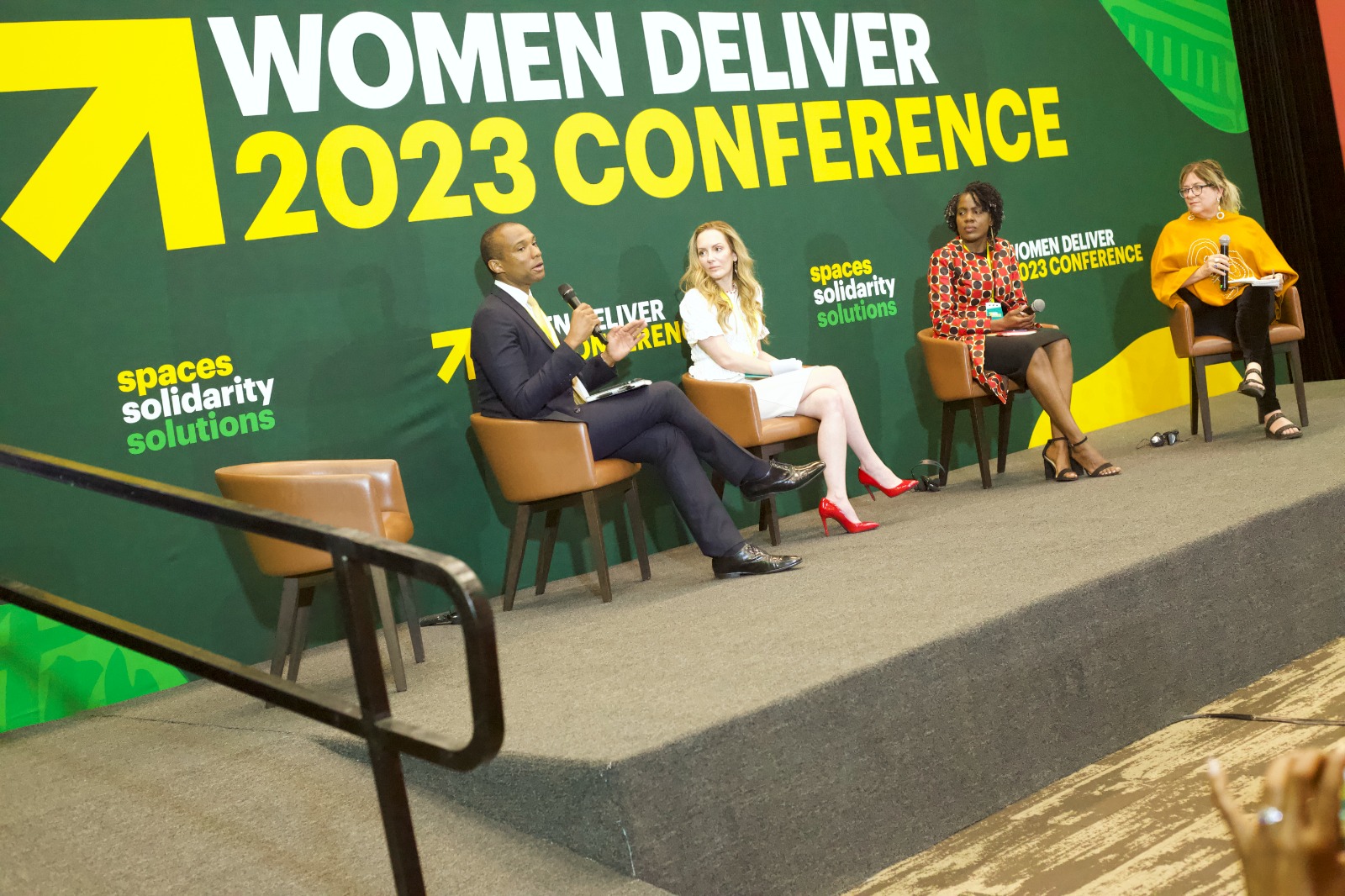
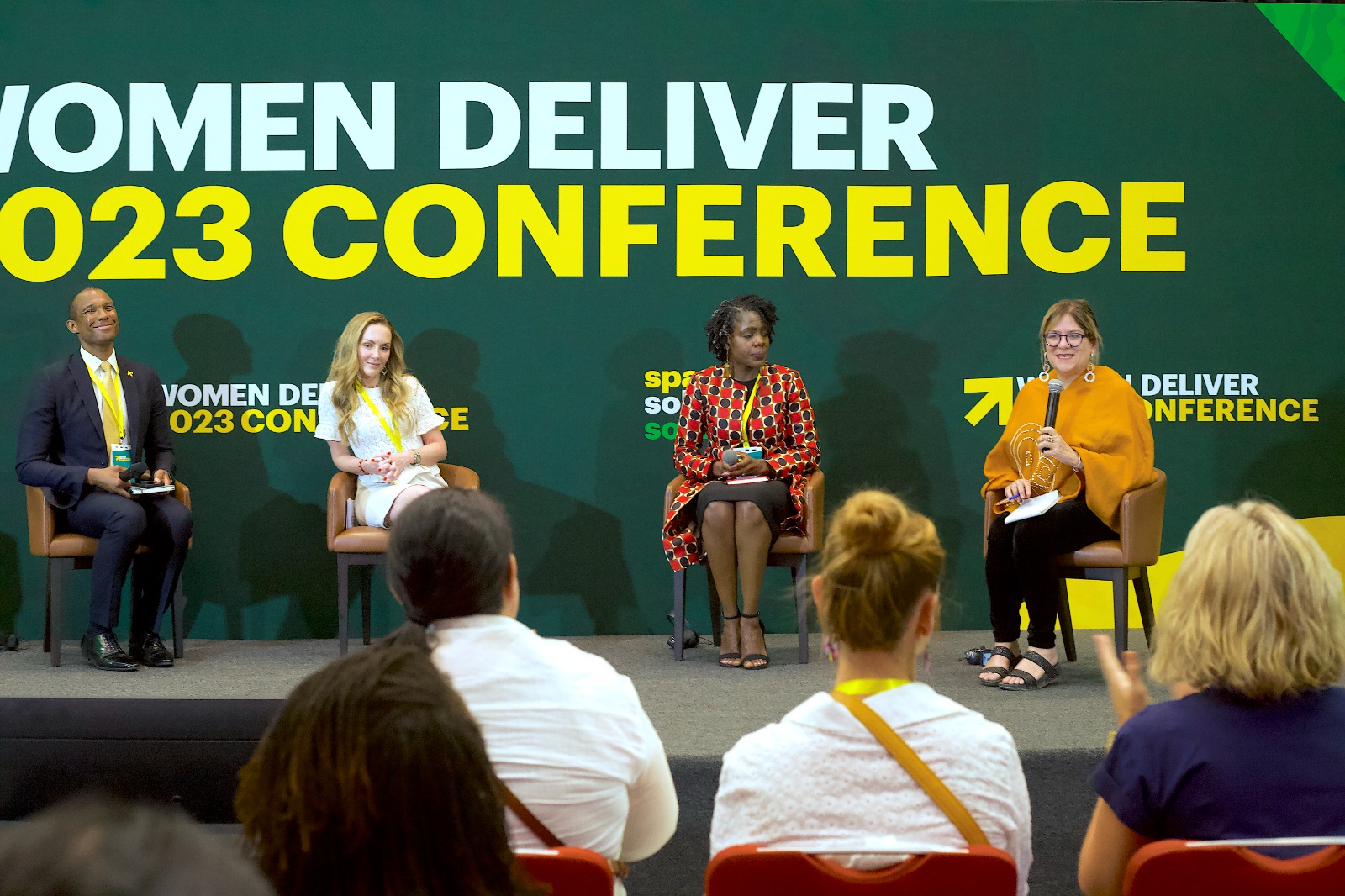
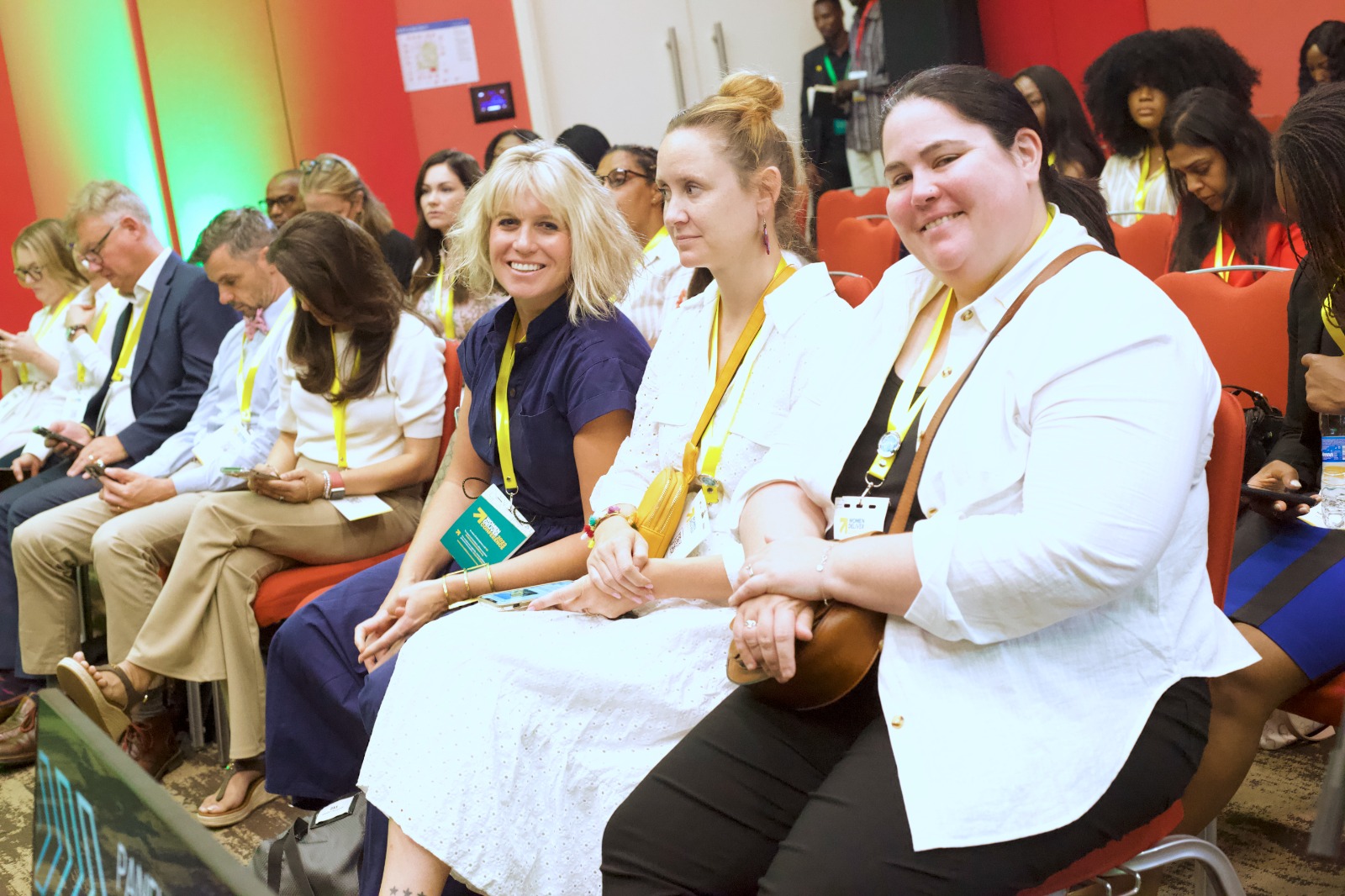
Over 6,000 delegates from all over the world are in Kigali to attend the very first Women Deliver conference on the African continent. At a session, moderated by Ida Jooste of Internews, one of the delegates, Andrea Novella of Population Services International talked about the fact that spaces, solidarity, and solutions is all about creating this safe space for women and girls to be able to access everything they need, whether that’s information, products, or services in one place. The heart of what we’re doing is creating that space.
To be able to build that space, what we do need is that solidarity and those partnerships because it’s a big space we need to create.
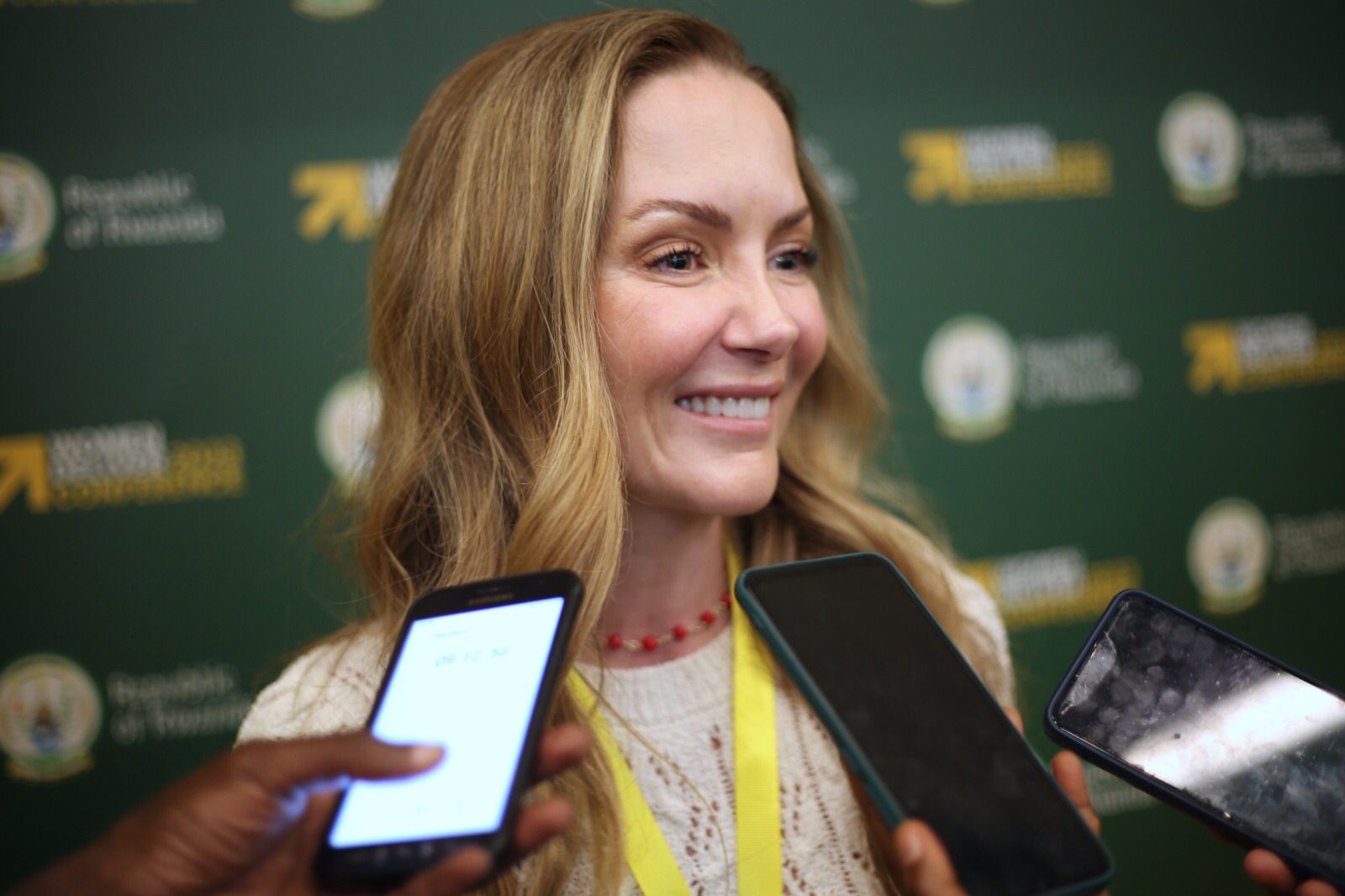
Andrea Novella of Population Services International
She made the remarks, on July 18, during a Women Deliver Conference session themed “Taking a women – powered Approach to healthcare Innovation”.
Novella has said that, ” To be able to build that space, what we do need is that solidarity and those partnerships because it’s a big space we need to create.
We’re building this big table where we want everyone to be able to sit down in. And in order to do that, we realize we cannot build it alone.
And so that’s where the partnerships and the solidarity come in.
The other thing I mentioned was how we’re creating solutions that are by, for, and with women. And I think the piece of solidarity that plays into that as well is just it’s so beautiful to see all these women here from all sorts of countries and backgrounds and ethnicities coming together to elevate our voices and collectively try to impact catalytic change.
So I would say that that’s how we are approaching this. And the biggest thing is that we can’t do it alone.
First, talk about which kind of innovation that you think, that you wish women to come up with. Okay, great. So, the first thing I want to say is that, as our CEO Karl mentioned as well, that we don’t really talk about empowerment because that implies that there is no power, that power is to be given, right?
So, we really talk about reclaiming and supporting women and giving them the tools that they need to be able to claim their own power and for us to be able to use our voices and have the tools that we need to choose and own our health service.
So, that’s the first thing that I just wanted to mention is that for us, it’s really about providing the tools and resources for us as women and girls to be able to use our own power.
When we speak about the actual innovations and the technology or solutions, what we’ve done is build out an ecosystem which is both online and offline. So, it incorporates information through online channels like social media, we work with content creators, we have a chatbot that provides that information 24-7, a website, we also have telemedicine so that you can get a service online but we also have the offline component of our solution as well which is products and services with healthcare providers.
So, we work with them and we work so that we’ve got network providers that we know are going to be able to meet the needs of women and provide that safe space that we refer to.
And then, when we’re looking at innovation, there’s so many ways to view that. Innovation isn’t just technology, right? And I spoke a little bit at the panel about innovation and metrics and how we define health and so for us, it’s also really important to disrupt that narrative about talking to health in a sense of avoiding disease and really looking towards wellness and so for us, also part of our FP2030 commitments is innovating around metrics and so, reconceptualizing how we are measuring health to include wellness ”.
She pointed out the significant role played by women that their focus are on women’s sexual and reproductive health and women being able to reclaim the spaces and own their health choices and make the best decisions for their bodies and their future. “So, it’s all about bodies and sexual and reproductive health. Is there a challenge now? As if there are challenges, which are them, challenge to that, to that empowerment.
There are so many challenges that are there and how do you think should we address them? Great. So, one of the big challenges is we’ve got systemic challenges around how to access information, how to access care.
There’s still a gender gap on digital connectivity. A lot of women don’t have access to internet or smartphones to be able to get the information that’s out there for all of us, right? And even if we do, we don’t necessarily feel that we have that capacity to make those decisions and so, maybe we’re influenced by social and societal norms.
I gave an example up there that was very difficult to me about my personal experience, right? And the shame that I had around my menstruation. And so, also the shame and stigma is one of those big barriers that all women and girls face in terms of being able to own and claim their health choices”.
President Paul Kagame has said that commitments that are not followed by action cannot fulfill the promise to build a more just and prosperous future for future generations.
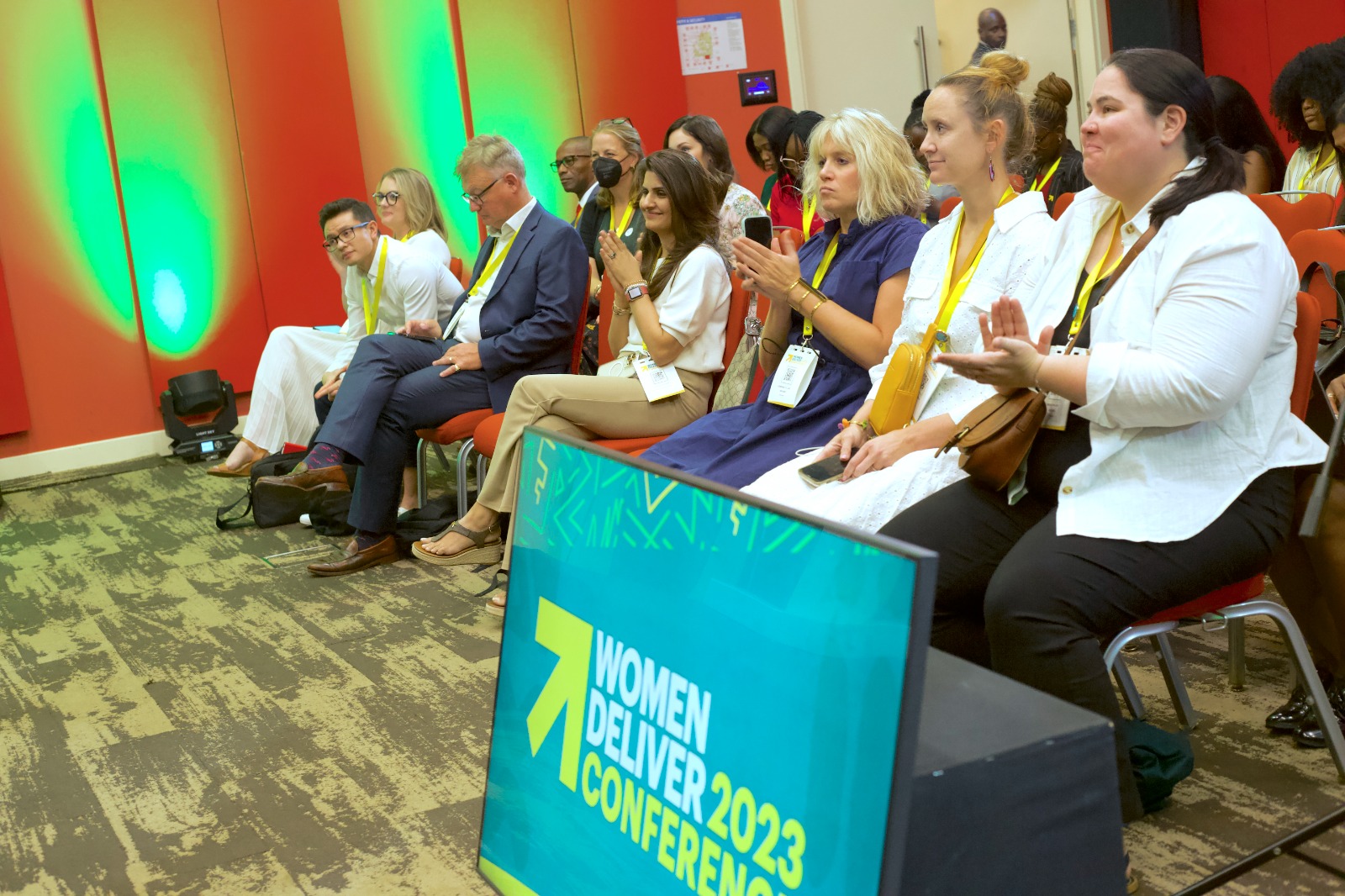
The Head of State made the disclosure on Monday 17th July at the official opening of Women Deliver Conference 2023 at BK Arena in Kigali, Rwanda. Held under the theme: ‘Spaces, Solidarity, and Solutions’, the conference brings together about 6,000 delegates from across the world in person and more than 200,000 online.

By Eric Bertrand NKUNDIYE
Email: nkundiyeericbertrand@gmail.com