

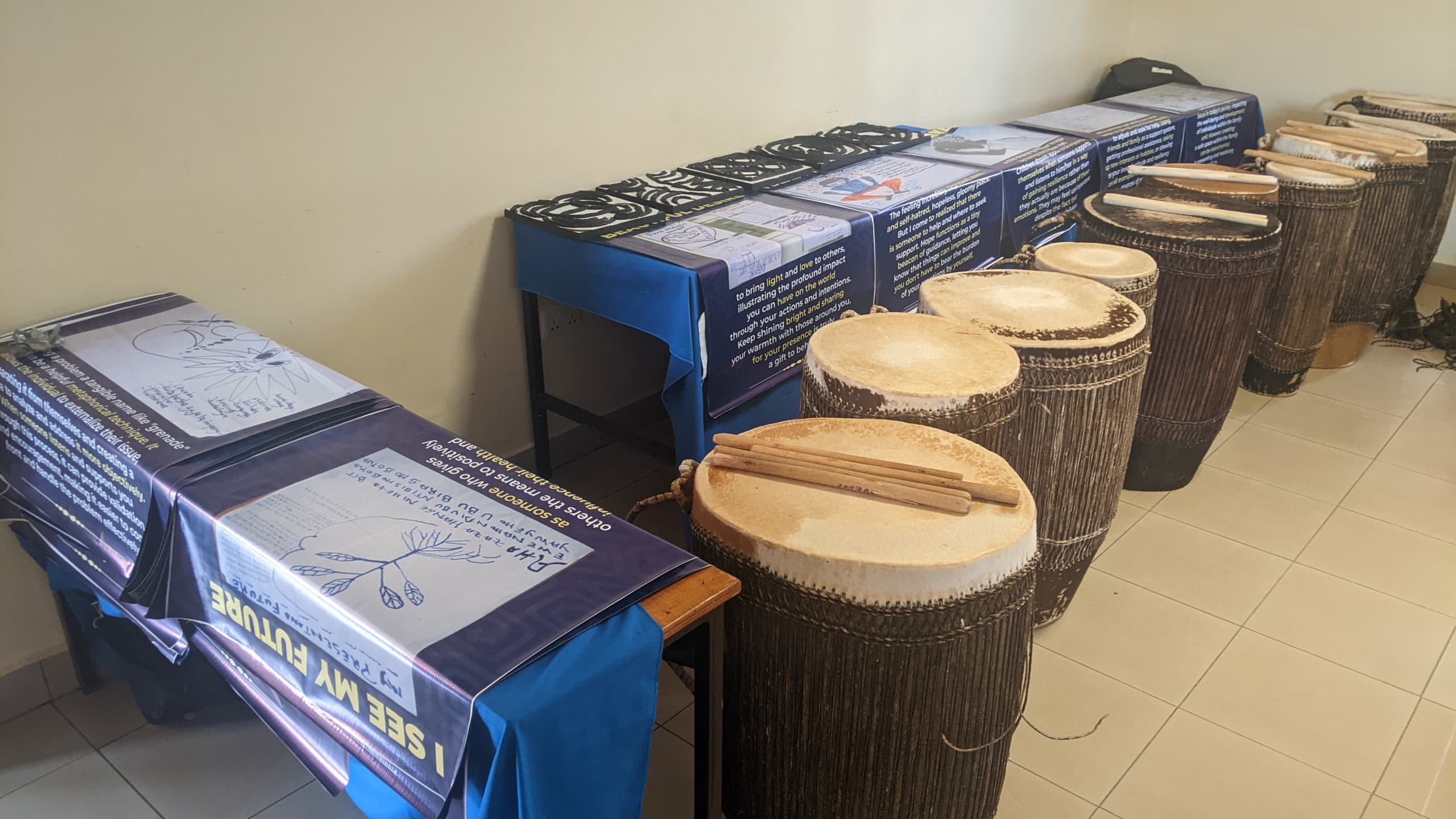
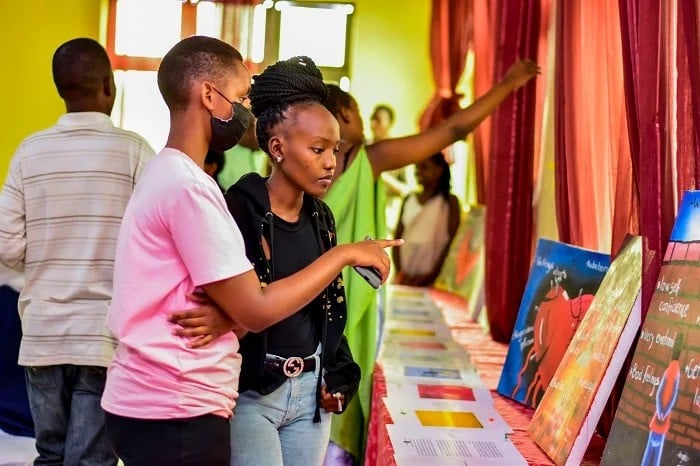
Students from various institutions have found that engaging in cultural art and craft activities has significantly aided their recovery from both physical injuries and mental health problems. The impact of these activities on their lives and educational environments was showcased on May 17, 2024, as part of the Mobile Art for Peace (MAP) project, which has been running for six years.
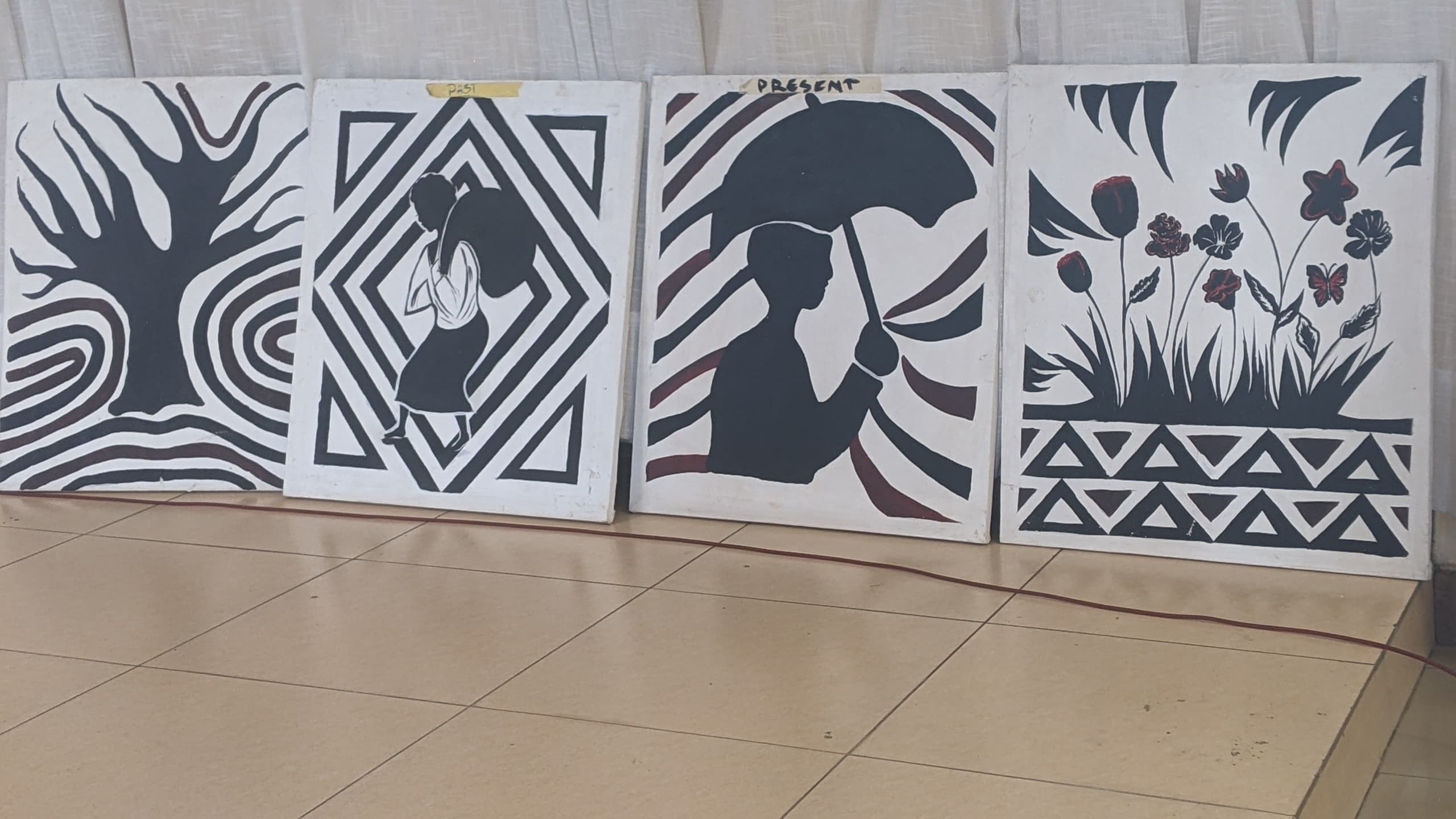
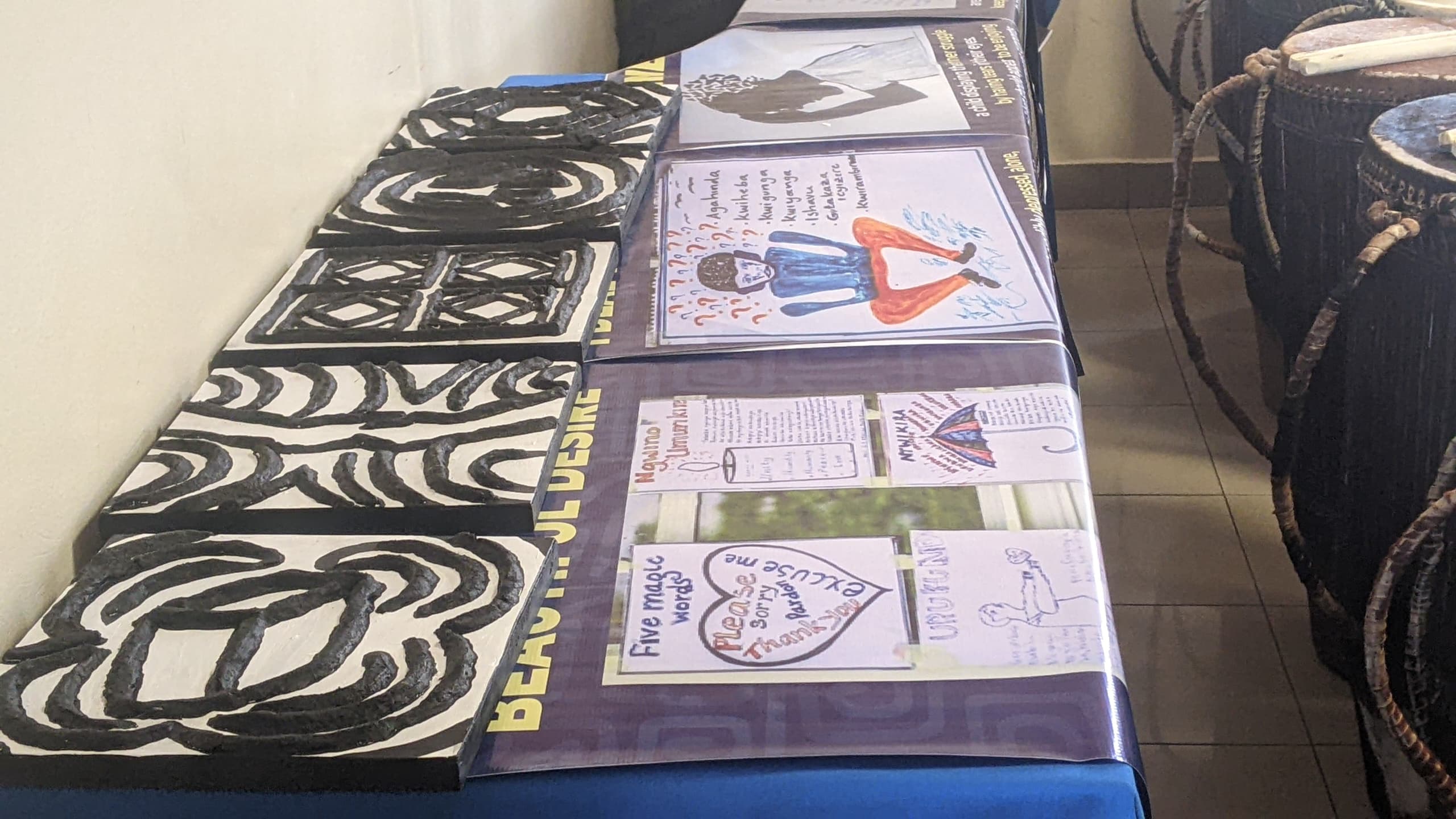
By leveraging arts and culture to support mental health, many students have experienced improved well-being and productivity. Harerimana Alain (a pseudonym), a high school senior, shared his struggle with depression, which stemmed from the challenges of balancing school and personal life. He explained, “When I joined MAP, it helped me immensely. We used theater, drawing, and writing to express our feelings. This process allowed me to confront and understand my issues, helping me to overcome them.” Harerimana highlighted a training method called “life team,” where participants draw a field divided into two parts: one for obstacles and one for desired changes. This exercise, followed by private reflection and group sharing, facilitated his recovery.
Niyigena Chantal (another pseudonym), a third-year high school student, recounted her battle with isolation and low self-confidence. “I felt utterly alone after my father abandoned my mother,” she said. “Hearing drums one day led me to a girls’ drumming club. Learning to play the drums helped me realize my capabilities, which boosted my confidence and improved my academic performance.”
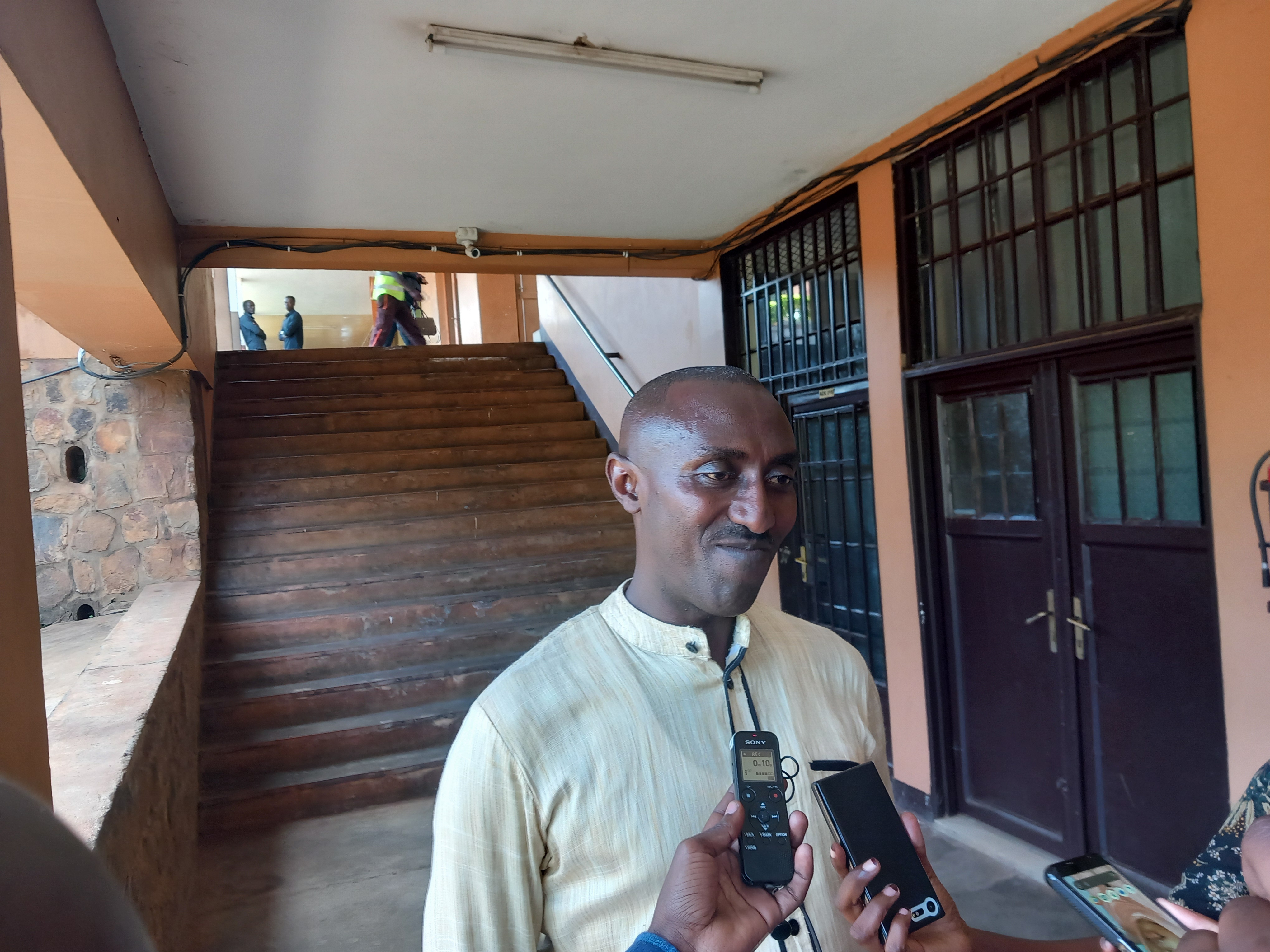
Dr. Uwihoreye Chaste , head of the Uyisenga and Imanzi family organization, emphasized the program’s goal of addressing mental health issues using culturally relevant tools. “This project was designed to identify and utilize Rwandan cultural tools to help those with mental illnesses. We implemented it in both schools and clinics, using activities like painting to aid in self-discovery and healing.”
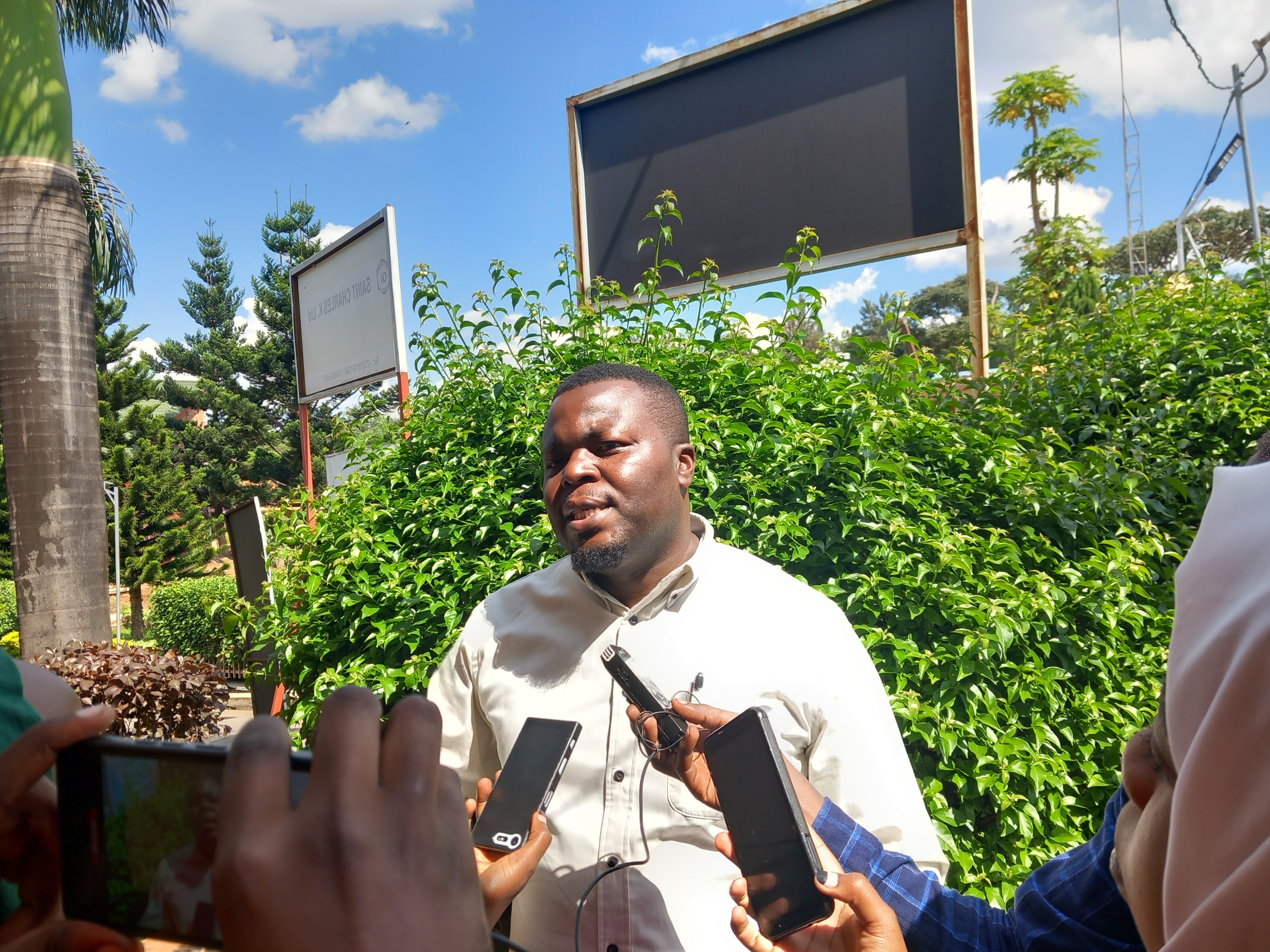
Ndacyayisenga Dynamo, head of Kigali Referral Mental Health Center, praised the initiative. “Art and craft, grounded in cultural practices, are effective in maintaining mental health. The Ministry of Health identified mental health care as a critical issue in schools, and this program offers an innovative approach to help children understand and address their problems. By using art, we promote social integration, entrepreneurship, and self-esteem.”
The six-year program, which began in 2018, has successfully identified tools and Kinyarwanda terminology to address mental health issues. These resources are now being used in various institutions and clinics nationwide.
By Carine Kayitesi