
National Bank of Rwanda has warned that the escalating conflict in the Middle East is increasingly threatening Rwanda’s economic stability, prompting the central bank to tighten monetary policy in a bid to contain rising inflation and shield the economy from mounting global shocks.
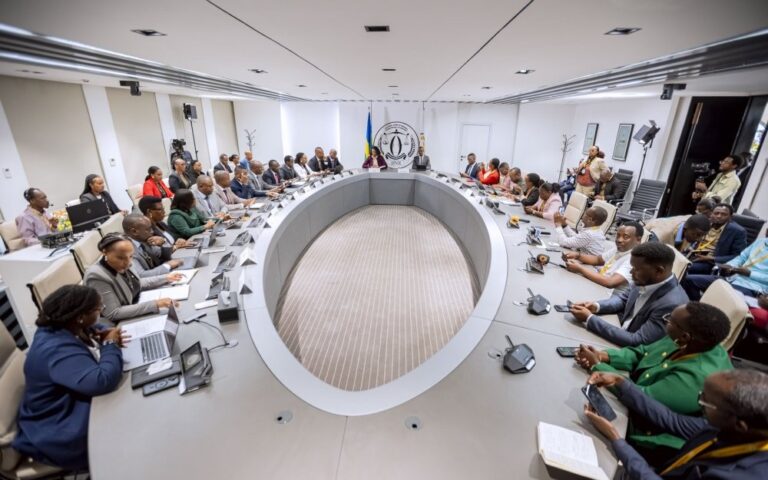
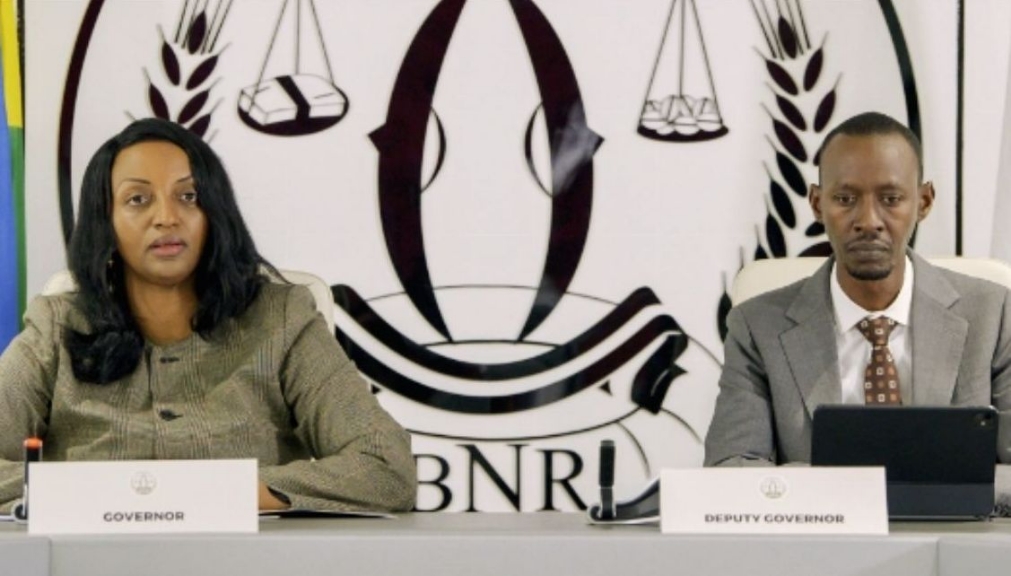
During a press conference held on May 21, 2026, Soraya Hakuziyaremye announced that the Monetary Policy Committee (MPC) had raised the Central Bank Rate (CBR) from 7.25 percent to 8.25 percent following a sharp rise in inflation driven largely by soaring global fuel prices and disruptions in international trade routes.
The central bank’s latest assessment shows that Rwanda, like many economies around the world, is increasingly exposed to the economic fallout from the Iran war and the broader Middle East conflict.
According to the National Bank of Rwanda, the conflict has disrupted the movement of oil and gas through the Strait of Hormuz, one of the world’s busiest shipping corridors through which nearly one-fifth of global oil supplies transit.
The disruption has triggered a surge in international fuel prices, increasing transport and shipping costs worldwide and pushing up prices for imported goods in Rwanda.
Hakuziyaremye said the impact is already being felt domestically, with headline inflation climbing to 13 percent in April from 9.1 percent in the first quarter of 2026.

Fuel prices, transport fares and charcoal costs were among the biggest drivers of inflation, alongside increases in housing, restaurant and food prices.
“Inflationary pressures are expected to remain broad-based throughout 2026,” she said, warning that the effects of the global crisis could persist for several months.
The central bank now projects average inflation at 13.9 percent this year, far above its preferred target range of between 2 and 8 percent.
Facing growing pressure on household incomes and consumer prices, the MPC opted for a stronger monetary policy response by increasing the benchmark lending rate by 100 basis points.
The Governor said the decision aims to slow inflation and preserve the purchasing power of Rwandans as global economic uncertainty intensifies.
“The decision to increase the CBR is a measured step to safeguard price stability, which remains essential for sustainable economic growth,” Hakuziyaremye said.
She added that the central bank remains committed to returning inflation toward its medium-term target of 5 percent.
The rate increase means borrowing costs in the economy are likely to rise gradually, a move intended to reduce excessive demand and ease pressure on prices.
Despite the inflationary pressures, Rwanda’s economy has continued to post strong growth indicators.
The country achieved 9.4 percent GDP growth in 2025, supported by expansion across the agriculture, industry and services sectors.
The first quarter of 2026 also showed positive momentum, with the central bank’s Composite Index of Economic Activity indicating strong growth in trade, transport and financial services.
Rwanda’s export sector performed particularly well during the first three months of the year.
Exports increased by 63 percent, driven by coffee, tea and mineral exports, while non-traditional exports such as processed foods and construction materials also registered significant gains.
The improved export performance helped narrow the country’s trade deficit by 23 percent.
At the same time, the Rwandan franc remained relatively stable, depreciating by only 0.5 percent against the US dollar during the first quarter of 2026.
The Governor attributed the relative stability of the currency to reforms in the foreign exchange market and stronger export earnings.
Although Rwanda’s economy continues to show resilience, the central bank warned that risks remain elevated.
A prolonged Middle East conflict could further increase fuel and shipping costs, while lower agricultural production caused by adverse weather conditions could worsen food inflation.
The committee also expressed concern about possible declines in global prices for Rwanda’s major exports, particularly coffee and tea, which could affect foreign exchange earnings in the coming months.
Global economic growth forecasts have already been revised downward because of the conflict, with world growth now projected at 3.1 percent in 2026.
Meanwhile, crude oil prices are expected to increase by an average of 24.6 percent this year.
The Financial Stability Committee concluded that Rwanda’s financial sector remains resilient despite growing external risks.
Total financial sector assets rose by 22 percent to Frw16.5 trillion in the first quarter of 2026, supported by strong growth in banking, insurance, pension and microfinance institutions.
Banks maintained strong capital and liquidity positions, while non-performing loans remained below the regulatory threshold.
However, the central bank warned that sectors heavily dependent on fuel and international trade — including transport, construction and manufacturing — could face increasing pressure if the conflict drags on.
Hakuziyaremye said the National Bank of Rwanda will continue monitoring developments in global commodity markets and the evolving geopolitical situation in the Middle East.
She stressed that while Rwanda’s economy remains stable and resilient, policymakers must remain cautious as global uncertainty continues to threaten inflation, trade and economic growth.
With inflation now emerging as the country’s biggest economic challenge, Rwanda’s central bank appears determined to act early and aggressively to prevent global shocks from undermining economic stability at home.